
Introduction
Mycosis is a disease caused by fungi, including yeast and mold, that can affect various body parts, such as the skin, nails, mouth, throat, lungs, and urinary tract [ 1 ]. Risk factors for fungal infections include exposure to humid environments, weakened immune systems, and underlying medical conditions, like diabetes [ 2 ]. In Indonesia, as a tropical country with high humidity, the risk of skin fungal infections is increased [ 3 ].
Candida, a genus of yeast, is a leading cause of fungal infections, and candidiasis is found worldwide, affecting all ages and genders. Candida albicans is the most common species worldwide, representing a global average of 66% of all Candida species [ 4 ]. However, its incidence varies geographically, ranging from 37% in Latin America to 70% in Norway [ 5 ]. In Asia, C. albicans is also prevalent, accounting for 56% of candidiasis cases in Hong Kong, and 33.3-55.6% of Candida bloodstream infections in Singapore, Taiwan, and Japan. Nevertheless, other Candida species, such as C. parapsilosis and C. tropicalis, are emerging as significant pathogens in certain regions, like Thailand and Malaysia [ 6 ].
Type of fungus and natural history of the infection are determined by the underlying predisposing conditions of the host [ 7 ]. Ability of yeast to morph into hyphae is considered a primary pathogenic mechanism, and it has been demonstrated that hyphae adhere more strongly to epithelial surfaces. The yeast form is now known to be invasive and is no longer considered merely commensal [ 8 ].
Candidiasis is often misdiagnosed as dermatitis, leading to self-treatment and obscuring the true picture of the disease [ 9 ]. Establishment of an early diagnosis of systemic candidiasis can be challenging due to nonspecific clinical signs and frequently negative cultures. Furthermore, there is no definitive prophylactic regimen for high-risk patients [ 10 ].
Drug resistance is a serious global health issue, and antifungal resistance is increasing worldwide. It is predicted that nearly 3 million Americans will develop drug-resistant infections this year, with over 35,000 deaths expected [ 11 , 12 ]. In Indonesia, resistance to antifungal drugs, such as azoles and echinocandins, is also increasing, with some fungal species, like Candida glabrata and Candida auris, showing resistance to multiple classes of antifungal drugs. This resistance poses a serious problem, as it can lead to treatment failure and increased mortality rates in patients with invasive fungal infections [ 13 , 14 ].
Therefore, this study aimed to investigate trends in Candida species distribution and their susceptibility patterns to various antifungal agents. By understanding the local epidemiology and antifungal resistance patterns, we can develop effective strategies to manage Candida infections and improve patient outcomes. With the acquired data, Candida species infection cases are expected to be managed more effectively.
Materials and Methods
This study was conducted at the Clinical Microbiology Laboratory of the University of Indonesia on 2,470 specimens that were obtained during 2020-2024. A variety of specimens were collected from patients suspected of having mycosis. Demographic information of patients was obtained from their medical records. This study used retrospective secondary data from WHONET 2022, initially collected for antimicrobial resistance surveillance. There was no direct participant contact, and the data contained no identifiable information; hence, no risks to privacy, confidentiality, or participant safety. Accordingly, ethical approval was not required from an institutional review board or ethics committee.
Specimen collection
Specimens were collected and processed in accordance with established protocols, with immediate transportation to the laboratory for analysis.
Culture, identification, and susceptibility test
Another specimen, such as body fluid, is inoculated on a BacT/Alert (BioMerieux Inc., France) bottle and incubated on a BacT/Alert, an automated microbial detection system based on the colorimetric detection of CO2 produced by growing microorganisms [ 15 ].
The plates on Sabouraud Dextrose Agar (Oxoid, United Kingdom) were incubated at 30°C (Thermo) and observed every day. Yeast isolates were identified by Gram staining (Becton Dickinson, USA) and Lactophenol Cotton Blue (LPCB) (Himedia, India) [ 16 ].
For identification and susceptibility testing, the Vitek 2® compact automated system with YST ID and AST-YS01 cards was utilized (BioMérieux Inc., France). Inoculum turbidity was standardized using a DensiCHEK instrument, targeting a range of 1.8-2.2 McFarland units (BioMérieux, Inc., France) [ 17 ].
Two sterile 12 × 75 mm polystyrene tubes (Tube I for identification and Tube II for susceptibility testing) are provided, each filled with 3 ml of sterile 0.45% NaCl solution (pH 5.0) and placed in a cassette. The fungal suspension in Tube I is standardized. Then, 280 μl of the suspension is transferred from tube I to tube II, which is placed in the AST card cassette parallel to tube II. The cassette is then loaded into the Vitek instrument for processing. The incubation process takes several hours, and the results are printed automatically [ 17 ].
Sensitivity in the context of microbiology and pharmacology refers to the susceptibility or responsiveness of a microorganism to an antimicrobial agent, such as an antifungal. Antifungal sensitivity refers to the ability of an antifungal to inhibit or kill a specific microorganism. The breakpoint for each MIC value of antifungals against Candida species is based on the reference from the Clinical and Laboratory Standards Institute (CLSI) [ 18 ].
Results
Over the period 2020-2024, 799 (32.34%) of 2,470 samples tested positive for pathogenic fungi. Specimens were received in the microbiology laboratory for yeast culture from patients with various infections from 44 hospitals, 11 clinical laboratories, and 10 independent medical doctors in Jakarta and its surrounding areas.
The proportions of gender between male and female were 420 (55.57%) and 379 (47.43%). The age of patients ranged from 17 days to 98 years, with the highest prevalence observed in the 70-79 years age group (21.02%) (Table 1).
| Variable | Number (%) | |
|---|---|---|
| Gender | Male | 420 (52.57) |
| Female | 379 (47.43) | |
| Age range(years) | <1 | 9 (1.12) |
| 1-9 | 12 (1.5) | |
| 10-19 | 15 (1.87 | |
| 20-29 | 29 (3.63) | |
| 30-39 | 67 (8.39) | |
| 40-49 | 67 (8.39) | |
| 50-59 | 124 (15.52) | |
| 60-69 | 166 (20.78) | |
| 70-79 | 168 (21.02) | |
| 80-89 | 122 (15.26) | |
| 90-99 | 20 (2.5) | |
| Clinical specimen | Sputum | 440 (55.01) |
| Urine | 131 (16.39) | |
| Broncho alveolar lavage | 97 (12.14) | |
| Blood | 40 (5.00) | |
| Faeces | 29 (3.63) | |
| Vaginal swab | 15 (1.88) | |
| Nail scrapping | 8 (1.00) | |
| Tissue | 7 (0.87) | |
| Isolate | 7 (0.87) | |
| Abscess | 6 (0.75) | |
| Swab throat | 4 (0.50) | |
| Swab ears | 3 (0.37) | |
| Endocervical swab | 3 (0.37) | |
| Hair | 2 (0.25) | |
| Vitreous fluid | 2 (0.25) | |
| Ascitic fluid | 1 (0.13) | |
| Pleural fluid | 1 (0.13) | |
| Nasopharyngeal tube | 1 (0.13) |
The clinical specimens consisted of 20 types, with the 5 most common being sputum (n=440, 55.01%), urine (n=131, 16.39%), bronchoalveolar lavage (n=97, 12.14%), blood (n=40, 4.00%), and faeces (n=29, 3.63%) (Table 1).
A total of 799 Candida isolates were identified, consisting of 21 species. The most Candida found were C. albicans (44.68%), C. glabrata (17.02%), and C. tropicalis (16.15%). Other species included C. krusei (2.88%), C. ciferrii (2.00%), C. laurentii (1.88%), and C. famata and C. lusitaniae (0.75%), respectively. Moreover, other fungi included C. colliculosa (0.38%), as well as C. magnoliae, C. pelliculosa, C. rugosa, and C. sphaerica (0.25%). Additionally, fungi detected at a percentage of 0.13% were C. intermedia, C. kefyr, C. lipolytica, C. utilis, and C. haemulonii.
Patterns of sensitivity of Candida species to various antifungals, such as fluconazole, voriconazole, caspofungin, micafungin, amphotericin B, and flucytosine, are presented in Table 2. The result indicated that the predominant Candida species exhibited high susceptibility (> 90%) to fluconazole, voriconazole, micafungin, amphotericin B, and flucytosine. Meanwhile, voriconazole, amphotericin B, and flucytosine showed excellent activity against uncommon Candida species, such as C. lusitaniae, C. pelliculosa, C. rugosa, C. intermedia, C. kefyr, C. lipolytica, and C. utilis.
| Candida species | Antifungal (%) | |||||
|---|---|---|---|---|---|---|
| Fluconazole | Voriconazole | Caspofungin | Micafungin | Amphotericin B | Flucytosine | |
| C. albicans | 348 (97.48) | 341 (95.52) | 350 (98.04) | 348 (97.48) | 339 (94.96) | 351 (98.32) |
| C. glabrataL | 136 (100) | 123 (90.44) | 23 (16.91) | 129 (94.86) | 128 (94.12) | 134 (98.53) |
| C. tropicalis | 117 (90.70) | 122 (94.57) | 122 (94.57) | 122 (94.57) | 124 (96.12) | 123 (95.35) |
| C. parapsilosis | 57 (91.94) | 59 (95.16) | 59 (95.16) | 60 (96.77) | 60 (96.77) | 1 (1.61) |
| C. dubliniensis | 8 (27.58) | 25 (86.21) | 1 (3.45) | - | 26 (89.66) | 26 (89.66) |
| C. krusei | 23 (100) | 22 (95.65) | 18 (78.26) | 23 (100) | 20 (89.95) | 3 (13.04) |
| C. ciferii | - | 11 (68.75) | - | - | 12 (75.00) | - |
| C. guilliermondii | - | 3 (60.00) | 3 (60.00) | 3 (60.00) | 3 (60.00) | 4 (80.00) |
| C. lusitaniae | - | 5 (100) | - | - | 5 (100) | 5 (100) |
| C. pelliculosa | - | 1 (50.00) | - | - | 1 (50.00) | 1 (50.00) |
| C. rugosa | - | 2 (100) | - | - | 2 (100) | 2 (100) |
| C. sphaerica | - | - | - | - | - | - |
| C. intermedia | - | 1 (100) | - | - | 1 (100) | 1 (100) |
| C. kefyr | - | 1 (100) | - | - | 1 (100) | 1 (100) |
| C. 1ipolytica | - | 1 (100) | - | - | 1 (100) | 1 (100) |
| C. utilis | - | 1 (100) | - | - | 1 (100) | 1(100) |
| C. haemolonii | - | - | - | - | - | - |
| C. laurentii | - | - | - | - | - | - |
| C. famata | - | - | - | - | - | - |
| C. colliculosa | - | - | - | - | - | - |
| C. magnoliae | - | - | - | - | - | - |
Meanwhile, voriconazole and amphotericin B demonstrated over 60% susceptibility against C. ciferrii, while C. guilliermondii exhibited greater than 60% sensitivity to all four antifungal agents tested. Candida dubliniensis showed a favorable response to most antifungals, except fluconazole and caspofungin.
It is noteworthy that for several uncommon Candida species identified, such as C. laurentii, C. famata, C. colliculosa, C. magnoliae, C. sphaerica, and C. haemulonii, antifungal susceptibility data were not available.
Trend of antifungal susceptibility in Candida species over time can be seen in Figures 1 to 5.
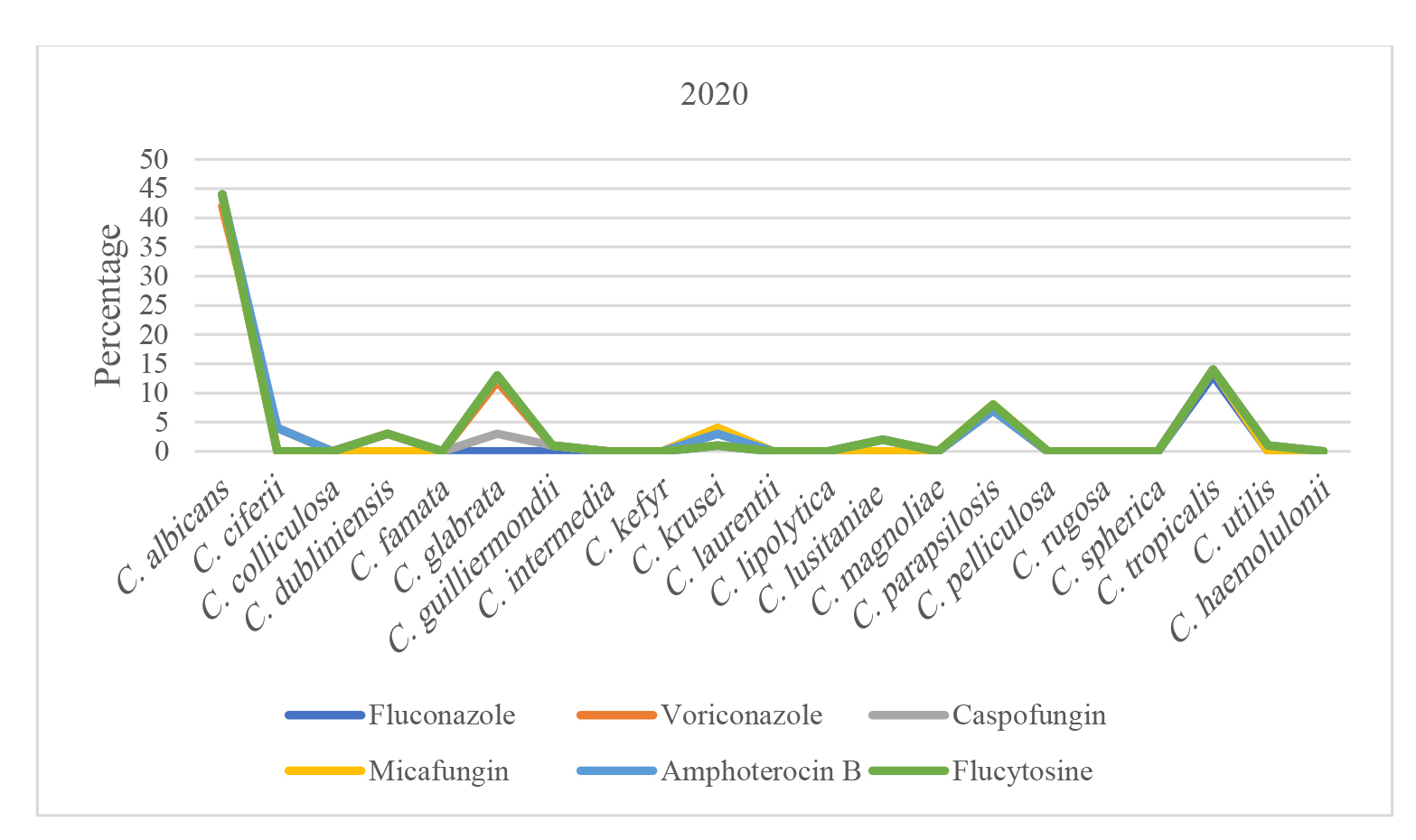
Figure 1. Susceptibility patterns of Candida species to antifungals in 2020.
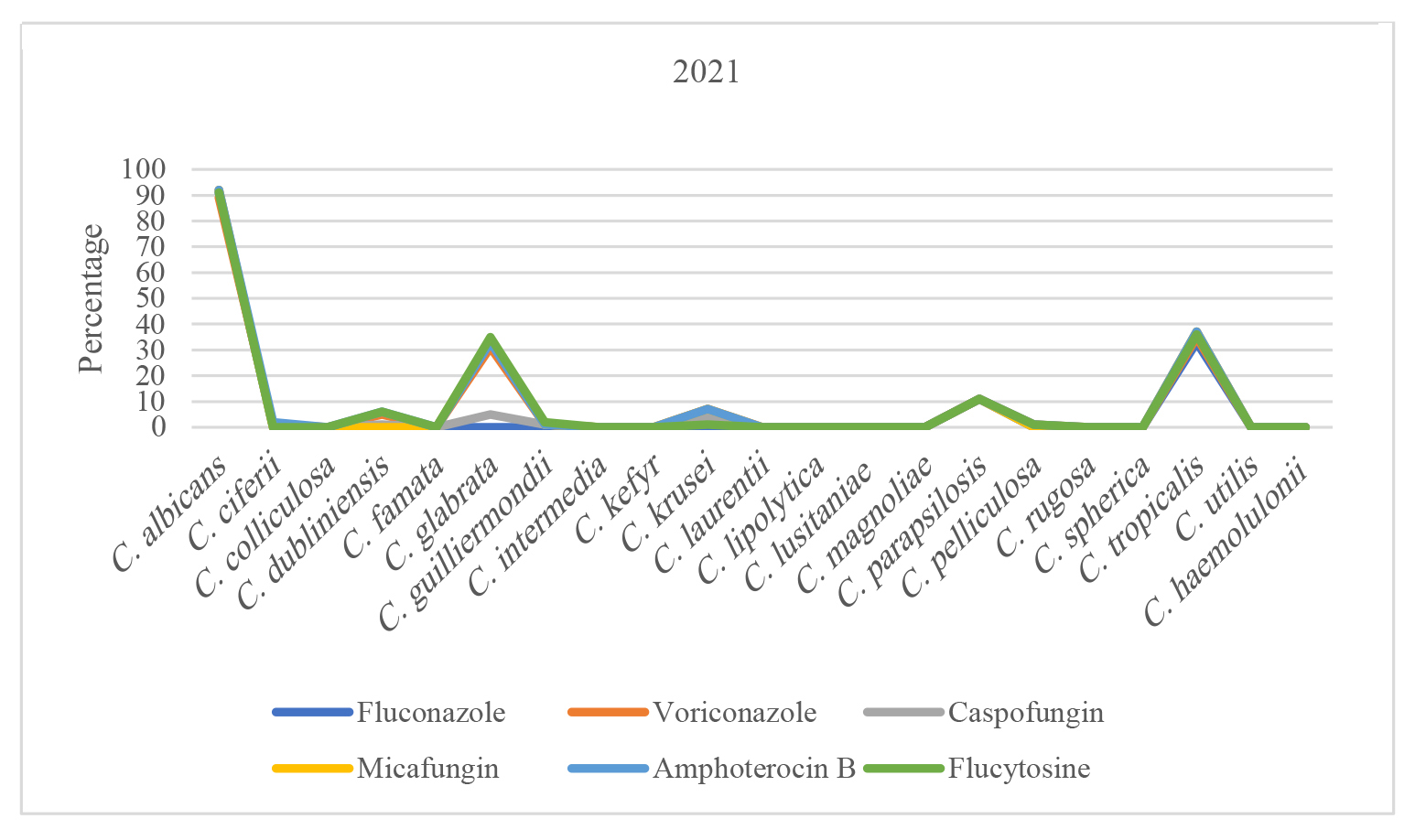
Figure 2. Susceptibility patterns of Candida species to antifungals in 2021.
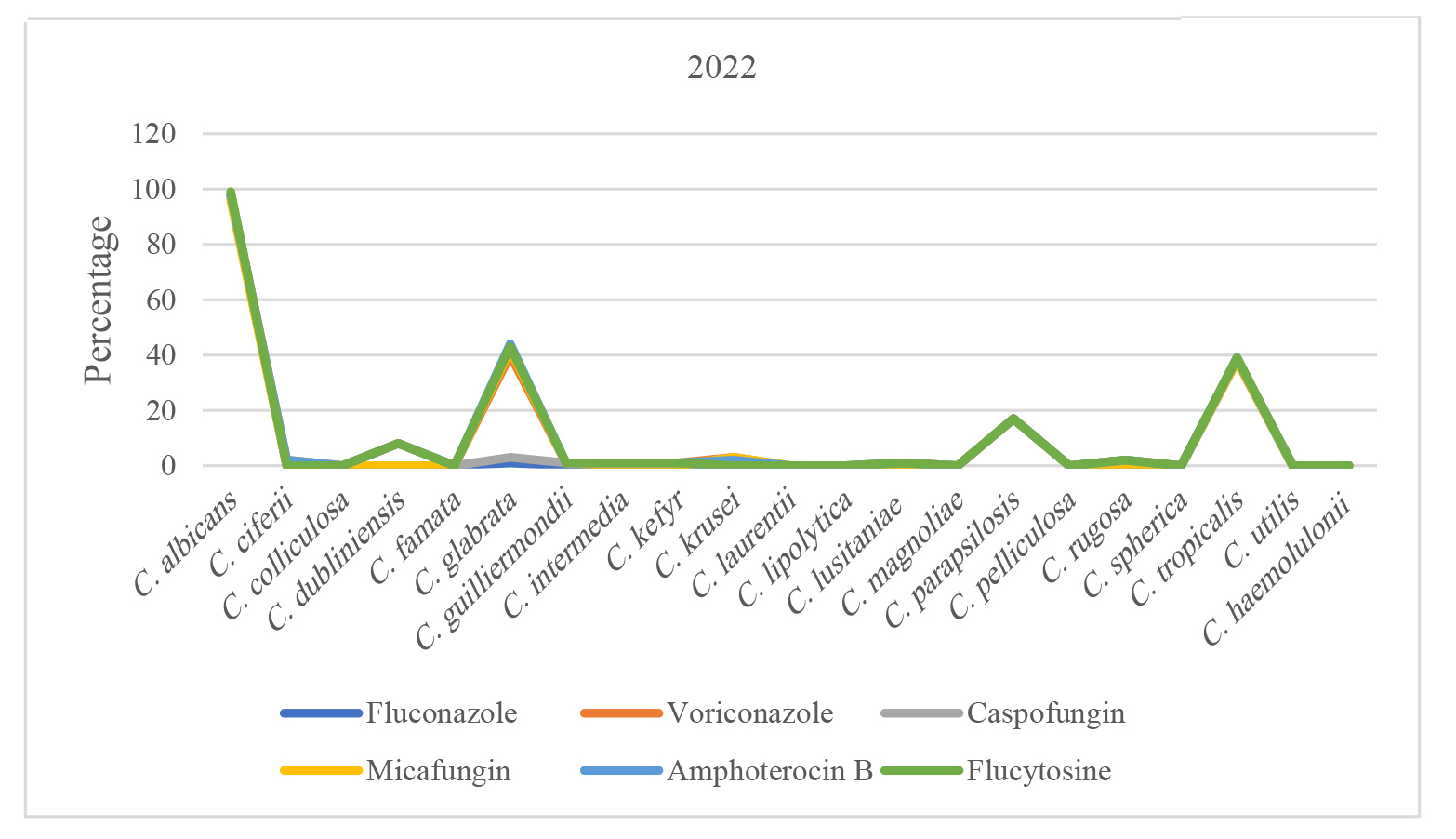
Figure 3. Susceptibility patterns of Candida species to antifungals in 2022.
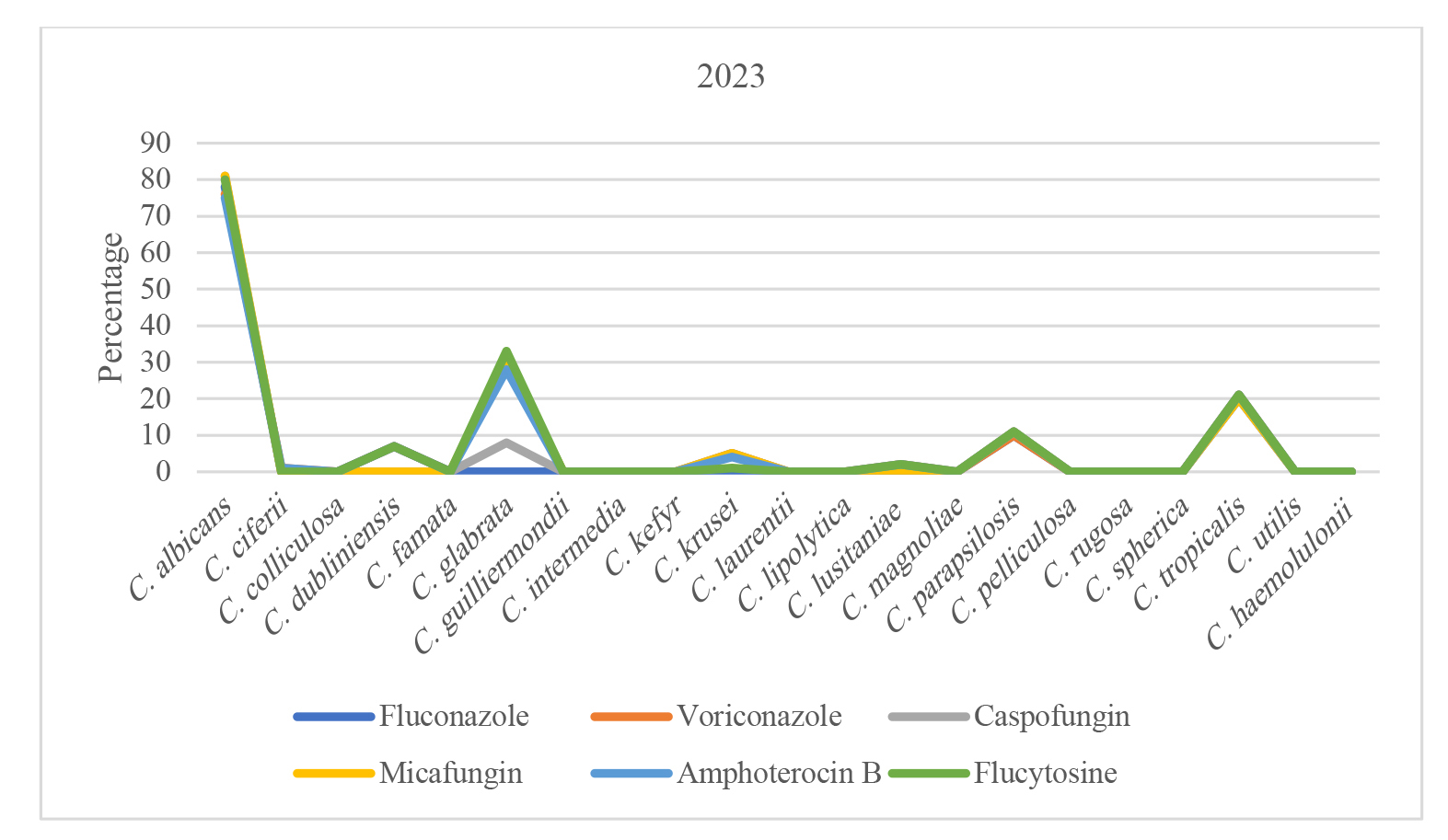
Figure 4. Susceptibility patterns of Candida species to antifungals in 2023.
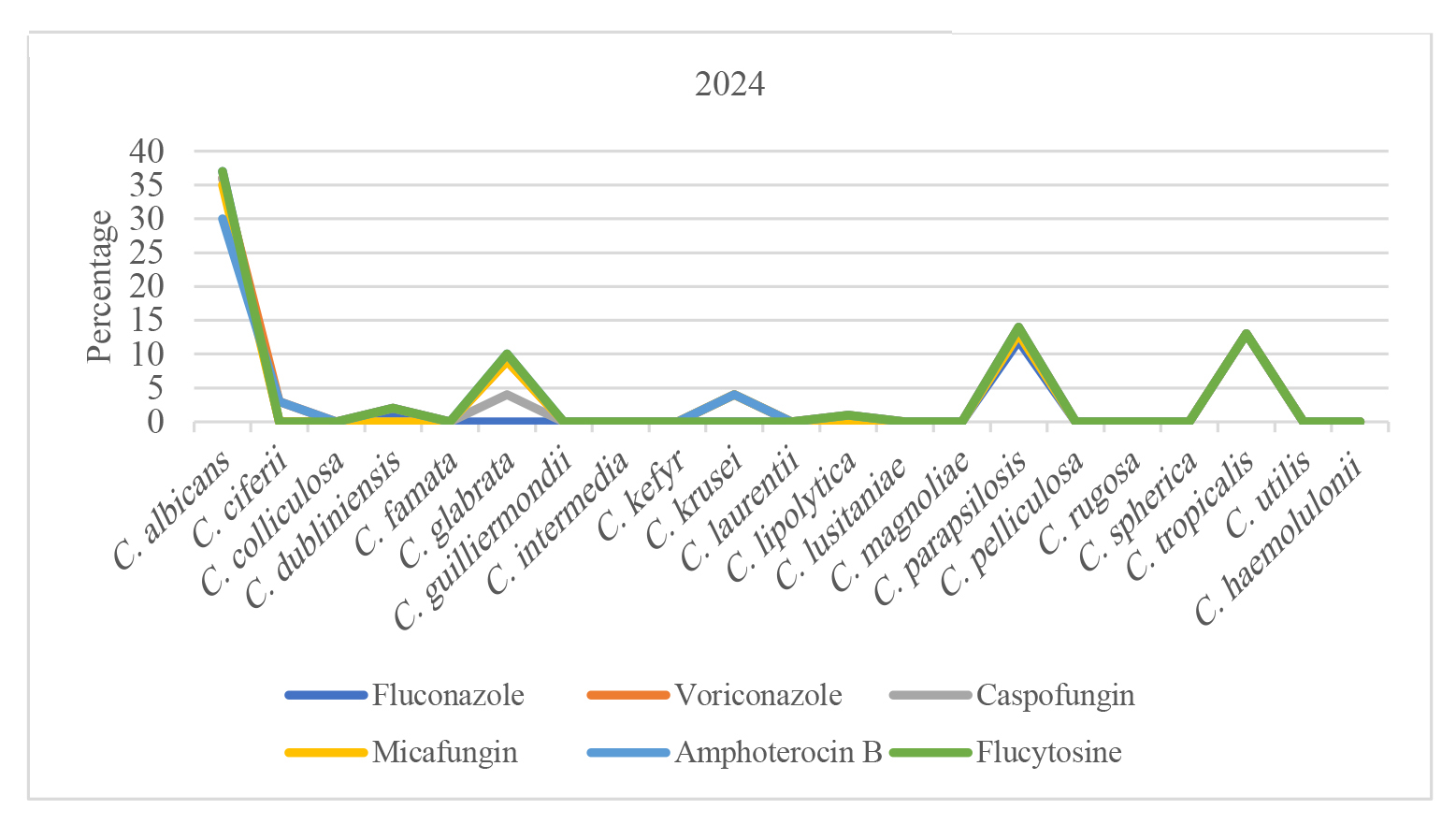
Figure 5. Susceptibility patterns of Candida species to antifungals in 2024.
Discussion
The research data showed prevalence rates of 52.57% and 44.43% in males and females, respectively. These findings were consistent with those of studies performed by Conny et al. (2022) and Sano et al. (2021), which showed that the prevalence was higher in males, compared to females [ 19 , 20 ]. The higher prevalence of fungal infections in males, compared to females, may be related to several factors, including differences in immune response and risk factors. Research suggests that innate immune responses in females are stronger due to the regulation of the immune system by sex hormones. Additionally, factors such as poor personal hygiene, lack of circumcision, and long-term antibiotic use may increase the risk of fungal infections in men [ 20 , 21 ].
In the present study, the age range of patients was between less than 1 year and 98 years, with the majority falling within the 70-79 year age range (21.02%). These findings were consistent with those of the research conducted by Vidya et al. (2022) and Saniya (2024). The elderly are more susceptible to fungal infections due to several factors related to the aging process and changes in bodily functions, such as a weakened immune system. Moreover, skin changes, such as dryness and decreased sweat production, can increase the risk of infection. In addition, the presence of chronic diseases common among the elderly can compromise the resistance of body to infection [ 21 , 22 ].
The most commonly found specimens in the present study were sputum samples (55.01%). Sputum specimens are mostly found in fungal infections in patients with opportunistic fungal infections, particularly those with weakened immune systems or chronic diseases. Fungal species, like Aspergillus and Candida, are frequently found in the sputum of patients with these conditions.
Consistent with the present study, C. albicans is a common fungus found in sputum [ 21 , 23 ]. When collected properly and in line with clinical symptoms, sputum samples can be a trustworthy specimen for diagnosing fungal infections. However, in the present study, patient data were highly limited, lacking key information, such as medical history, disease severity, and prior treatments.
This study showed that the highest prevalence of Candida species was found to be C. albicans, C. glabrata, and C. tropicalis. Globally, C. albicans remains the most prevalent Candida species, while the second and third most common species vary between C. parapsilosis, C. glabrata, and C. tropicalis [ 24 - 26 ].
An interesting finding in the present study was the discovery of rare Candida species, namely, C. krusei, C. ciferii, C. laurentii, C. famata, C. guilliermondii, C. lusitaniae, C. colliculosa, C. magnolia, C. pelliculosa, C. rugosa, C. sphaerica, C. intermedia, C. kefyr, C. 1ipolytica, C. utilis, and C. haemolonii. Emergence of these uncommon Candida species highlights the need for increased awareness and vigilance, given their potential to cause significant health issues and difficulties in management [ 27 - 29 ].
Candida haemulonii, one of the rare Candida species, is a virulent pathogen that requires attention due to its resistance to antifungal agents and potential to cause chronic infections, particularly in diabetic patients [ 30 ].
The present study showed antifungal susceptibility results against predominant Candida species, in the following order: fluconazole (96.06%), voriconazole (93.51%), caspofungin (69.84%), micafungin (95.64%), amphotericin B (95.07%), and flucytosine (97.40%). These results are consistent with those of the studies performed by Conny et al. (2022) and Derek et al. (2024) [ 19 , 24 ].
Candida parapsilosis had low susceptibility (1.61%) to flucytosine but desirable susceptibility (90%) to other antifungals. These findings differ from those of Derek et al. (2024), who reported 100% susceptibility to fluconazole and flucytosine. The low susceptibility to these antifungals warrants caution and careful consideration in use [ 19 , 24 ].
Candida dubliniensis showed high susceptibility (> 80%) to voriconazole, amphotericin B, and flucytosine, but lower susceptibility to fluconazole (27.58%) and caspofungin (3.45%). There were no results from micafungin. Candida krusei was highly susceptible to fluconazole and micafungin (100%), moderately susceptible to voriconazole (95.65%) and amphotericin B (89.95%), less susceptible to caspofungin (78.26%), and had low susceptibility to flucytosine (13.04%). In contrast to a study performed by Nurulet al. [2018], who reported 100% susceptibility to both fluconazole and flucytosine, the present study found a discrepancy in the susceptibility rate to flucytosine [ 31 ].
Among the rare Candida species, C. guilliermondii showed the highest susceptibility, with over 60% susceptibility to voriconazole, caspofungin, micafungin, amphotericin B, and flucytosine; however, there was no data on fluconazole.
In contrast, other species, such as C. lusitaniae, C. pelliculosa, and C. rugosa, as well as C. intermedia, C. kefyr, C. lipolytica, and C. utilis, showed 100% susceptibility to voriconazole, amphotericin B, and flucytosine. However, there was no data on fluconazole, caspofungin, and micafungin. Meanwhile, C. ciferrii was susceptible (> 60%) only to voriconazole and amphotericin B, consistent with the findings of Aynaz et al. (2024), who reported amphotericin B to be effective [ 32 , 33 ].
One of the concerning findings in this study was the discovery of uncommon Candida species, such as C. laurentii, C. famata, C. colliculosa, C. magnoliae, C. sphaerica, and C. haemulonii. However, there were no data on their susceptibility to various antifungals. This is particularly worrisome given that these rare fungal species have developed resistance to multiple antifungals. Several studies have reported that C. haemulonii exhibits resistance to multiple antifungals, and its ability to form biofilms is a key virulence factor contributing to its persistence and difficulty in eradication [ 34 , 35 ].
The inability to obtain antifungal susceptibility results for certain species in the Vitek test may be due to several factors, including limited database coverage, interspecies variability, and methodological limitations. [ 36 ].
Findings of the present research differ from those of previous ones, which have reported higher susceptibility rates, including 100% effectiveness of fluconazole, voriconazole, and amphotericin B, followed by flucytosine (91.66%), micafungin (86.18%), and caspofungin (85.74%) [ 32 - 35 ].
An analysis of antifungal susceptibility trends over five years revealed noteworthy patterns among the predominant Candida species. In 2020, Candida C. albicans, Candida C. glabrata, and Candida C. tropicalis demonstrated average susceptibilities of 99.25%, 69.23%, and 98.79%, respectively.
In 2021, the susceptibility rates for C. albicans and C. tropicalis remained relatively stable. However, C. glabrata exhibited a modest decline in susceptibility, decreasing to 65.71%. During the subsequent years, 2022 and 2023, susceptibility patterns across all three species remained largely consistent with those of prior observations.
Candida glabrata susceptibility rose to 70% in 2024. This increase was due to antimicrobial stewardship, infection prevention, and bacterial ecology, beyond just biology [ 36 ].
In 2024, other Candida species (C. parapsilosis, C. dubliniensis, C. krusei, and C. ciferrii) had varying susceptibility trends; accordingly, Candida parapsilosis stayed above 90%, C. dubliniensis went from 60% (2020-2022) to 80% (2023), and then dropped to 70%. Moreover, Candida krusei susceptibility was stable at > 60% (2020-2022), dipped to 54.18% (2023), then rose to 66.75% (2024). In addition, C. ciferrii susceptibility to voriconazole and amphotericin B increased from 50% (2020) to 100% (2021-2024).
Candida guilliermondii susceptibility varied, with 100% sensitivity in 2020 and 2022, dropping to 62.5% in 2021, and resistance emerging in 2023-2024. This requires vigilance, despite average Candida susceptibility rates being 60-80%.
Candida lusitaniae showed 100% sensitivity to antifungal agents in 2020, 2022, and 2023, with no resistance detected in 2021 and 2024, indicating sustained susceptibility. Candida pelliculosa and C. rugosa had 100% susceptibility in 2021-2022. Rare species like C. intermedia, C. kefyr, C. utilis, and C. lipolytica, isolated in single years, also showed 100% susceptibility.
Declining Candida susceptibility is concerning, fueled by rare species emergence, reducing antifungal effectiveness. Fungi resist drugs via target mutations, efflux pumps, structural changes, and metabolic adaptations [ 36 , 37 ]. Several key factors contribute to fungal resistance to antifungals, including inappropriate antifungal use, excessive antibiotic use, agricultural and industrial fungicide use, and host-related factors, such as health conditions and immune status [ 36 , 37 ].
Management of antimicrobial resistance involves prudent use, proper dosing, specific antimicrobials, resistance monitoring, new drug development, infection prevention, and education. A comprehensive approach is key to addressing antifungal resistance.
Based on the data obtained in this study, recommended empirical therapy for Candida infections is flucytosine, fluconazole, and micafungin for the predominant species. Addressing fungal resistance requires effective treatments and judicious antifungal use.
Conclusion
This study found C. albicans, C. glabrata, and C. tropicalis as the most common Candida species. They showed high susceptibility to flucytosine, fluconazole, and micafungin. Continuous local surveillance is crucial to guide antifungal treatment due to variability in species distribution and susceptibility over time.
Acknowledgments
The authors would like to express their gratitude to the Clinical Microbiology Laboratory, Department of Microbiology, Faculty of Medicine, University of Indonesia, for facilitating specimen collection during the course of this research.
Conflicts of interest
The authors confirm that they have no competing financial interests or personal relationships that might have affected the research presented in this paper.
Authors’ contributions
C. R. T. contributed to conceptualization, methodology, supervision, and writing the original draft. Y. R. was responsible for methodology and investigation. M. H. W. conducted the investigation and performed formal analysis.
Financial disclosure
The authors declare no financial interests related to the material presented in this manuscript.
References
- Sadik A, Hakan SS, Sumeyra K. Distribution of Candida species isolated from blood cultures over a period of four years. EJMI. 2018; 2(1):35-9.
- Darmawan AB, Krisniawati N, Widhi APKN, Afifah Nur Hestiyani R, Kurniawan DW, Darmayan BJ. Etiology and antifungal sensitivity test in otomycosis caused by Candida Sp. Majalah Kedokteran Bandung. 2023; 55(4):220-6.
- Suhartono S, Mahdani W, Masthura A, Rusmana I. Candida species distribution of clinical specimens in Banda Aceh, Indonesia. Biosaintifika. 2020; 12(2): 262-7.
- Umamaheshwari S, Sumana MN. Retrospective analysis on distribution and antifungal susceptibility profile of Candida in clinical samples: a study from southern India. Front Public Health. 2023; 11:1160841.
- Sahloul N, Balah M, Sahbal M, Elawady B, Gohar N. Species distribution and antifungal susceptibility patterns of Candida isolated from critically ill patients with candidemia. Microbes Infect Dis. 2024; 5(4): 1631-41.
- Khaled JM, Alharb NS, Kadaikunnan S, Alobaidi AS, Naumana K, M.Ghilan AK, et al. Distribution of Candida infections in patients and evaluation of the synergic interactions of some drugs against emerging fluconazole- and caspofungin-resistant C. auris. J King Saud Univ Sci. 2023; 35:1026170.
- Acosta-Mosquera Y, Tapia JC, Armas-González R, Cáceres-Valdiviezo MJ, Fernández-Cadena JC, Andrade-Molina D. Prevalence and species distribution of Candida clinical isolates in a tertiary care hospital in Ecuador tested from January 2019 to February 2020. J Fungi. 2024; 10(5):304.
- Aziz JA, Atiya N, Velayuthan RD. Species distribution of Candida species isolated from sterile body fluids and its antifungal susceptibility pattern in UMMC. IJID. 2021; 101(S1):384-402.
- Kwamin F, Nartey NO, Codjoe FS, Newman MJ. Distribution of Candida species among HIV-positive patients with oropharyngeal candidiasis in Accra, Ghana. J Infect Dev Ctries. 2013; 7(1):41-5.
- Baniodeh H, Abu-Helu R, Abulihya M, Awwad MY, Dawoud A, Tebbji F, et al. The first prevalence and antifungal susceptibility profile of Candida infections in Palestine. BMC Infect Dis. 2024; 24(1):1142.
- Seyoum E, Bitew A, Mihret A. Distribution of Candida albicans and non-albicans Candida species isolated in different clinical samples and their in vitro antifungal susceptibility profile in Ethiopia. BMC Infect Dis. 2020; 20(1):231.
- Ciurea CN, Kosovski IB, Mare AD, Toma F, Pintea-Simon IA, Man A. Candida and candidiasis—opportunism versus pathogenicity: a review of the virulence traits. Microorganisms. 2020; 8(6):857.
- Sharma M, Chakrabarti A. Candidiasis and other emerging yeasts. Curr Fungal Infect Rep. 2023; 17(1):15-24.
- Kumar S, Kumar A, Roudbary M, Mohammadi R, Černáková L, Rodrigues CF. Overview on the infections related to rare Candida species. Pathogens. 2022; 11(9):963.
- BioMérieux. Why is BACT/ALERT® the method of choice for rapid sterility testing. 2024.
- Aryal S. SDA: composition, principle, preparation, results, uses. Microbe Notes. 2023.
- Safety and Laboratory Coommittee. Instrument standard operating procedure manual. 2020.
- Institute CLS. Performance standards for antifungal susceptibility testing of yeasts. CLSI M27M44S. USA; 2022.
- Tjampakasari CR, Rosana Y, Wahid MH. Fungal diversity and yeast patterns of yeast ensitifity to several antifungals in Jakarta. IJOBB. 2022; 6(2):45-51.
- Sano A, Nishi Y, Yonetani S, Yoshida H, Kawai H, Homma S, et al. Clinical surveillance of candidemia at our hospital. Med Mycol J. 2021; 62(2):29-34.
- Jaishi VL, Parajuli R, Dahal P, Maharjan R. Prevalence and risk factors of superficial fungaliInfection among patients attending a tertiary care hospital in central Nepal. Interdiscip Perspect Infect Dis. 2022; 2022(1):3088681.
- Shaikh S, Nellore A. Cutaneous fungal infections in older adults. Clin Geriatr Med. 2024; 40(1):131-46.
- MuzaheedAlshehri BA, Rabaan AA, El-Masry OS, Acharya S, Alzahrani FM, et al. A 20-year retrospective clinical analysis of Candida infections in tertiary centre: Single-center experience. J Infect Public Health. 2022; 15(1):69-74.
- Bays DJ, Jenkins EN, Lyman M, Chiller T, Strong N, Ostrosky-Zeichner L, et al. Epidemiology of invasive candidiasis review. Clin Epidemiol. 2024; 16:549-66.
- Yamin D, Wakil AM, Goni MD, Irekeola AA, Hajissa K. Trends of Candida species causing bloodstream infections in south-eastern Asia: A systematic review and meta-analysis. Asian Pac J Trop Med. 2025; 18(2):51-66.
- Meneghelli S, Bernabe G, Di Pietra G, Di Sopra S, Del Vecchio C, Cattelan M, et al. Prevalence, species distribution and resistance of Candidemia in pediatric and adult patients in a northeast Italy university hospital. J Fungi. 2024; 10(10):707.
- Corpus K, Hegeman-Dingle R, Bajjoka I. Candida kefyr, an uncommon but emerging fungal pathogen: report of two cases. Pharmacotherapy. 2012; 24(8):1084-8.
- Coles M, Cox K, Chao A. Candida haemulonii: An emerging opportunistic pathogen in the United States? IDCases. 2020; 21:e00900.
- Cosio T, Pica F, Fontana C, Pistoia ES, Favaro M, Valsecchi I, et al. Stephanoascus ciferrii complex: the current state of infections and drug resistance in humans. J Fungi. 2024; 10(4):294.
- Ramos LS, Figueiredo-Carvalho MHG, Silva LN, Siqueira NLM, Lima JC, Oliveira SS, et al. The threat called Candida haemulonii species complex in Rio de Janeiro State, Brazil: focus on antifungal resistance and virulence attributes. J Fungi. 2022; 8(6)
- Quindós G, Carrillo-Muñoz AJ, Arévalo MP, Salgado J, Alonso-Vargas R, Rodrigo JM, et al. In vitro susceptibility of Candida dubliniensis to current and new antifungal agents. Chemotherapy. 2000; 46(6):395-401.
- Ghojoghi A, Khodavaisy S, Zarei Mahmoudabadi A, Fatahinia M. Antifungal susceptibility profile of Candida species and uncommon yeasts from drug abusers with oral candidiasis. BMC Oral Health. 2024; 24:1555.
- Ramos LS, Barbosa PF, Lorentino CMA, Lima JC, Braga AL, Lima RV, et al. The multidrug-resistant Candida auris, Candida haemulonii complex and phylogenetic related species: insights into antifungal resistance mechanisms. Curr Res Microb Sci. 2025; 8:100354.
- Françoise U, Desnos-Ollivier M, Le Govic Y, Sitbon K, Valentino R, Peugny S, et al. Candida haemulonii complex, an emerging threat from tropical regions? PLoS Negl Trop Dis. 2023; 17(7):e0011453.
- Angiolella L, Rojas F, Giammarino A, Bellucci N, Giusiano G. Identification of virulence factors in isolates of Candida haemulonii, Candida albicans and clavispora lusitaniae with low susceptibility and resistance to fluconazole and amphotericin B. Microorganisms. 2024; 12(1):212.
- Kareem A, Al-Sahlany STG, Verma DK, Thakur M, Mohapatra B, Singh S, et al. Trends, analytical approaches, and applications of the Vitek System for identification and classification of bacteria and yeasts. In: Quantitative Methods and Analytical Techniques in Food Microbiology. Apple Academic Press; 2022.
- Reddy GKK, Padmavathi AR, Nancharaiah YV. Fungal infections: pathogenesis, antifungals and alternate treatment approaches. Curr Res Microb Sci. 2022; 3:100137.


